Alzheimer’s care in London

alzheimers-care-in-London

alzheimers care in London

It’s been estimated that over 36 million people in the world suffer from dementia, and with an aging population that figure looks set to rise even further. Although it only affects around 1 in a 1000 people, usually after the age of 65, it is a tragedy for a family when it does strike.

Caring for someone with alzheimer’s can be challenging at the best of times, but the quality of alzheimer’s care in London is as good and advanced as anywhere in the world.

In order for a family to make informed choices about the best form of care, it’s important to understand the different stages of the disease.

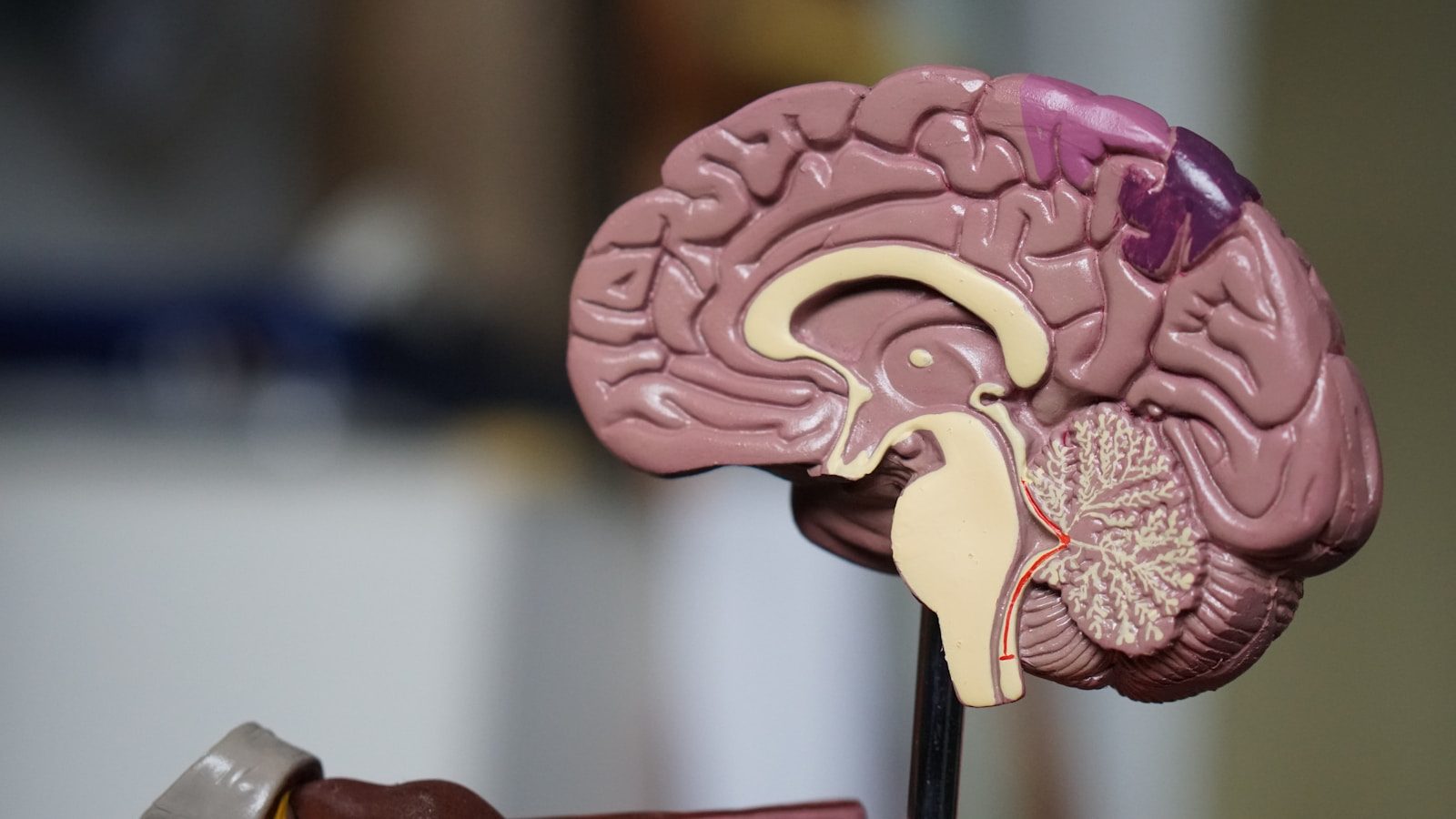
Experts have found that there are seven stages of alzheimer’s based on common patterns of symptom progression. These stages correspond in some way to the underlying degeneration of the nerve cells, particularly those that involve learning and memory. As the disease gradually spreads to other cells, the degeneration begins to affect other cognitive functions, such as thinking, judgment, and behaviour.

Alzheimer Stages

  • 1: No Impairment

The first of the seven alzheimer stages exhibits no impairment of the normal functions. This makes it extremely difficult to detect in the very early stages.

  • 2: Very Mild Cognitive Decline

Some consider small signs of cognitive decline normal in the second stage of alzheimer’s which again, can make it difficult to diagnose. General lapses in memory and small behavioural change may not be apparent during medical interviews, as it may just be put down to the patient getting older.

  • 3: Mild Cognitive Decline

This is the stage where friends and family notice that something is definitely wrong, as behaviour can change dramatically. In some people, this is the stage where the disease can be diagnosed, as deficiencies are more profound.

  • 4: Moderate Cognitive Decline

This is known as ‘mild or early stage alzheimer’s’ where the problems become clear cut after a careful medical interview.

  • 5: Moderately Severe Cognitive Decline

The mid-stage of alzheimer’s disease shows major gaps in memory and deficits in cognitive function. The patient may start to require some assistance in doing day to day activities.

  • 6: Severe Cognitive Decline

Difficulties in memory continue to worsen. It is at this stage that changes in personality start to emerge.

  • 7: Very Severe Cognitive Decline

The final stage is when individuals lose the ability to respond to their environment. In addition, they also lose the ability to speak and ultimately, the ability to control movement.

Choosing the right care will depend on what stage your loved one is at and your individual family circumstances.

In order to retain a sense of dignity and familiarity experts argue that it’s better to keep the patient in their own home as long as possible. Caring for them in a safe environment that they know well eases anxiety and is better suited to offering the emotional and physical support they need.

When you are looking for alzheimer’s care in London there are plenty of options both for occasional in- home care help and also full time care solutions. It is extremely difficult and stressful for a family to watch a much loved relative suffer with dementia, but with the right care plan and careful treatment they can retain some dignity and quality of life.

Posted in elderly care in London | Tagged | Comments Off

Elderly Care in London

elderly-care-in-london

elderly care in london

When looking for elderly care in London, families can often be overwhelmed by the amount of information they encounter searching for help for their loved one.

As each case is different it’s vitally important they can sort through the vast array of good general advice that is available and focus on the most relevant information for their particular case.

Most elderly people who need help will encounter various types of illness as they get older, and will have medical as well as non-medical needs that will need addressing. It’s often a distressing time for a family when a parent or relative starts to need extra care, but making the right judgment at this early stage can bring the safety and comfort their elderly relative needs at the earliest possible opportunity.

In making the best decision for care, the family will have to consider the elder persons wishes and also the medical and non-medical requirements they may have;

Medical care

  • Home healthcare
  • Rehabilitation like physical therapy
  • Meal preparation/special diets
  • Administering medicines
  • Personal health-care; such as bathing, grooming or toileting
  • Maintain safe home environment

Non-medical care

  • House cleaning
  • Shopping
  • Home maintenance
  • Emergency transportation
  • Financial planning
  • Company/companionship

Most elderly people wish to remain in their own home for as long as they can, and the family should take this into consideration when planning the best course of action for their loved one. Staying in their home gives the elderly the stability and independence they need to retain their self-respect and helps promote their emotional wellbeing.

Care at home fundamentally eliminates the need for a heavy upheaval in moving an elderly person into a residential home, which could prove to be an anxious experience for someone who is already feeling unwell and vulnerable.

That’s why the family must look at all options carefully and talk to a number of professional care providers to see who can offer the best options for their relative.

Once they’ve made a careful assessment of their elder relatives needs, the family will be better placed to make an informed decision when discussing options with the care provider.

Most care providers offer home care services that range from once a week visits right through to 24 hour care, and can assist with the medical and non-medical issues we’ve outlined above.

Loneliness and vulnerability are huge problems for elderly people who choose to remain at home, and so after the basic care needs are met the family should then consider how these needs can be taken care of. Quality of life for the elderly person should be high on the agenda for any good care provider.

Families looking for elderly care in London will have plenty of options and information available, so it’s important for them to find a company that’s local, has a good track record and who can offer the best care for their loved one. With a little research and patience, a family should be able to find what they are looking for and in doing so they will enable their elderly relative to enjoy a few extra years of quality life they may not otherwise have had.

Posted in elderly care in London | Tagged | Comments Off

Caring for an elderly parent

caring-for-an-elderly-parent

caring for an elderly parent

Witnessing the declining health of an elderly parent or relative can be one of the most emotionally traumatic experiences a family can go through. The person that you have loved your entire life has now changed forever, and you are going to discover just how difficult caring for an elderly parent can be.

When the elderly start requiring extra help it’s important to take stock and involve as many family members as possible. However much you love the person requiring care it’s important to remember that you’re not a seasoned professional care worker. You have your own life, your own problems and quite possibly children or other people you need to look after.

Caring for an elderly parent can be a major threat to the emotional wellbeing of the individual who’s in charge of the caring. It is incredibly stressful juggling the demands of caring for an elderly relative and keeping your own life going. The strain, for even strong willed people, can often be too much.

It’s not uncommon for carers in these circumstances to suffer from anxiety and depression as they battle to keep on top of a situation that seems to be getting out of control.

The carer will naturally feel a mixture of guilt, anger, sadness, despair, maybe even resentment and it is vitally important that the whole family gets involved and that it’s not just one person, usually the oldest female child, that ends up with full primary care responsibilities.

Family and friends can be vital at times like these and they should be brought in to help make these important decisions. There are many options a family can take and all avenues should be explored before settling on the best route for your particular situation.

Most elderly people wish to remain in their own home for as long as they are able to and their adult carers go to great lengths to ensure they can. But when it starts to take a toll on the primary care givers health then it’s time to re-access the situation.

Of course the family should do as much as they can to look after their loved one, but as we’ve discussed here, the strain can often be overwhelming if it is not managed correctly.

That’s why a family in this situation should never be afraid to ask for professional help. Caring for an elderly parent is difficult at the best of times, and even harder when you have your own life to keep on top of and you have so much emotional investment in the person needing care.

We at ANA Nursing offer a full range of home care services that are tailored to the elderly persons needs and can help take the pressure off you. Well trained, friendly staff will bond with your relative quickly, putting both them and you at ease. It’s reassuring to know that at one of the most difficult times in your life there is extra help available that can make all the difference.


Posted in elderly care | Tagged | Comments Off

New research and new hope for dementia sufferers

Elderly care and dementiaIt’s long been known that people are living longer than ever before, but sadly that also brings with it its own set of problems, with conditions like dementia affecting a growing number of people. Working in the elderly care industry, part of our role is to champion the well-being of our ageing generation as a whole, not just the clients we work with. This is why it’s important for us to keep abreast of any research relevant to elderly care, which could not only help with looking after dementia sufferers in the future but could also assist in delaying the onset of this debilitating and incurable condition.

This month, Nursing Times published details of an interesting study carried out at the Friedrich Alexander Universitat in Germany, focusing on the potential benefits of exercise to mental and physical well-being in dementia sufferers. The study, which originally featured in the BMC Medical Journal, was carried out in a controlled nursing home environment, using a daily therapy session called MAKS. Patients in the elderly care homes were given two-hour sessions each day, where they would spend time on positive spiritual activities such as singing, followed by 30 minutes of light physical exercise or lawn sports, group problem solving sessions, and day-to-day tasks.

On one level, research of this kind is nothing new and frequently crops up in the media. Earlier this year the BBC reported on a care home using specially designed Technogym equipment, to give their elderly care residents exercise and stimulation. At the time, the care home owner spoke out about the reduced number of falls, people being taken off anti-psychotic medication, and residents becoming more confident and enjoying the social elements of the exercise. The study by German researchers should be noted for taking things a step further, by designing a programme that focuses on activities that give physical and mental stimulation, and not just offering an exercise routine.

The results of this study could also be of interest to those who have long held concerns over the prescription and overuse of medication in treating dementia. Evidence from the study suggests combining two different types of stimulation therapy in this way could achieve results that are at least as good as those coming from drug treatment. What’s also promising, is the increased ability of patients in elderly care to carry out everyday tasks which, when measured, was twice as much as what had been achieved with medication.

With the winter months often a time where we reflect and look to the future, it’s good to read of a therapy that will help elderly dementia sufferers enjoy, and participate in, a greater quality of life in their home or nursing home environments.

Posted in Uncategorized | Comments Off

’Tis the season to be caring

Elderly care at ChristmasChristmas adverts are on the TV, and the disorganised among us are starting to panic-buy Christmas presents and decorate the Christmas cake. The Christmas countdown has well and truly begun but, while it’s a busy time, it’s also a time for reflection. It’s a time to think of others, and this should always include elderly relatives, friends, neighbours and community members. Elderly care is a subject that hits the headlines for sad and often unavoidable reasons at this time of year, whether it’s stories about isolation and loneliness, struggles with heating bills or health problems.

It’s the season to be caring, though, and there are many ways we can look after, and look out for, the elderly this Christmas. Loneliness is one of the key issues to be highlighted in winter, particularly when the elderly are faced with bracing weather and relatives going away for the holidays. With Age UK reporting that over half of over 75s live alone, it’s all the more important for us to all look out for one another through the early nights and the colder days. Age UK is a great source of advice and support for elderly care issues, including keeping warm in winter, energy saving, finances and eating well. Many charities and voluntary groups also run Christmas lunches, older people’s social groups and community transport campaigns to help combat the isolation many elderly people feel in winter.

If you have an elderly neighbour or relative, don’t underestimate the value of a visit or an offer to help with the shopping, and it’s important to be alert to health changes as well. A recent article in The Star newspaper in Sheffield honed in on health as a key elderly care issue this Christmas, with visiting and increasingly aware relatives often being the ones to note signs of dementia or other illness in their loved ones. Although this time of year can present practical and emotional challenges, during a season that’s supposed to be festive, being on the alert also opens doors to necessary help and support for carers and patients alike. Knowledge not only brings power, but helps everyone concerned feel more comfortable dealing with challenges that arise, particularly during the festive period.

Because now is a time that families often take a break, and because of the possibility that isolation or the complex needs of an illness or dementia may be more than friends or extended family can cope with on their own, a flexible home care service could help ease the burden during the holidays and the colder months ahead. ANA Nursing is a company that can offer elderly care support as often as it’s needed, from a minimum of just one hour. Our trained staff can provide services that meet any elderly care needs. This could mean short-term respite to give carers a break during the holidays, simply being there for companionship, or taking care of personal tasks such as washing and dressing, administering medication, or household tasks.

If you have a relative living on their own, are planning to be away over the holidays, or are just looking for some extra support to ensure that social and health needs are met at Christmas, then elderly care in the home could be an option. Friends of The Elderly has reported to the BBC that up to half a million elderly people could spend Christmas alone this year – don’t let someone you know be one of them. Be caring this Christmas.

Posted in Uncategorized | Comments Off

A doctor’s duty of care for elderly patients goes beyond clinical treatment

Care for elderly patients“Everyone who goes into a hospital or a care home is entitled to the fundamental aspects of care.” This is the message that came from the Patients Association when they launched their “CARE Campaign” on 9th November, and it’s one that needs to be highlighted.

Although the CARE Campaign is aimed at nurses and speaks of patients in general, it’s based around the most frequent complaints that the association receives, which are issues associated with communication, toileting and pain relief, along with nutrition and hydration. The issues highlighted are not only highly relevant to doctor–patient relationships in this sector but are essential to care for elderly patients no matter what their condition.

It’s been announced that the General Medical Council has drawn up new guidelines for doctors, urging them to be “guardians of public safety”, and reminding them of their basic duties when it comes to care for elderly patients, which seem to have been slipping into neglect in recent years. The instructions include ensuring that the comfort and dignity of elderly patients is not compromised, and that doctors focus a little more of their attention on their non-clinical duties.

The draft guidelines will be added to the General Medical Council’s Good Practice Guide, a doctors’ handbook, the final version of which will be published next year after it has been reviewed by senior doctors, health care workers and patient groups. What is sending ripples of disbelief and concern across the industry, though, is not so much the guidelines but the fact that they are needed in the first place.

The General Medical Council has acted after the publication of a damning report by the Quality Care Commission, a watchdog directed by the government to carry out spot checks on hospitals. The aim was to check if elderly patients were properly fed and respected; the results, I think, speak for themselves. The supposed care for elderly patients included some people being left without anything to drink for over ten hours, over-stretched staff having little time to accompany patients to the toilet, and other patients having to bang on their bed rails just to try and attract the attention of staff.

These shocking details were publicised in a recent report by the Daily Mail, who, along with the Patients Association and Patient Concern, have been running campaigns to promote care for elderly patients for many years. While their efforts have played a vital role in highlighting issues and campaigning for change, there is still evidently much work to be done.

In the private sector, we are well aware of the issues and challenges facing the NHS on a daily basis, but poor care is simply unacceptable. Doctors should be much more proactive when there are problems with basic care for patients, and take responsibility, along with the rest of their staff, to ensure patients’ needs are met and they are treated with the respect they deserve.

Once the guidelines are officially published by the General Medical Council, doctors found in breach of them could face a GMC Panel or lose their jobs. Whether you are picturing an ideal world, or the day-to-day realities of health care, this situation shouldn’t exist. Perhaps now these guidelines are in place progress towards better care for elderly patients will be made. As Katherine Murphy, Chief Executive of the Patients Association, told the Daily Mail, “doctors should see a patient as a human being, and whatever their need, they should be able to provide it.”

Posted in Uncategorized | Comments Off

Eternal youth: Fantasy or reality?

Elderly care and eternal youthElderly care is a topic that is never far from the headlines, but while hot topics such as budget cuts, neglect and lack of staff training in the health care sector are debated in the news pages, quietly capturing the imagination on the science pages are some interesting articles related to ageing and the latest scientific research.

A few clicks on the Guardian’s science web pages revealed a report on eastern relaxation techniques and how they may protect chromosomes from regenerating, collagen drinks that “promise” to fight the ageing process and, back in December 2010, Kazakhstan’s president was urging scientists to search for the elixir of life.

Whether you know it as the elixir of life or the key to eternal youth, it’s something that often has a place in the fantasy world, portrayed in blockbuster movies on the big screen. Just ask your grandchildren about Harry Potter or Starlight! An element of fantasy hasn’t stopped elderly care patients wishing there was a time when they weren’t confronted with the conditions and physical signs associated with ageing.

Cataracts, wasting muscle tissue and wrinkles are all key signs of ageing our patients would rather do without and, while it’s unlikely scientific research will wave a magic wand over these things anytime soon, an interesting study conducted in America does suggest some progress has been made in delaying and even halting these conditions.

The study focuses on “senescent” or ageing cells, which slow down and fail to regenerate as we age. These “retired cells” create our body’s equivalent of a scrap heap. The problem is that, when we get to an age at which we are considering elderly care, our bodies become very inefficient at disposing of them and replacing them. The researchers simulated the ageing process in mice and treated the animals with a drug they had devised. Reports published on the BBC website showed that the key signs of ageing were “dramatically delayed” after the animals had received the drug treatment.

Could this research one day lead to slowing down the ageing process in humans? The scientists behind the study admit that you can’t “flush out” ageing cells in the same way in humans, but one of the researchers, Dr van Deursen, remains positive about the potential this research has to revolutionise the elderly care industry. He said to the BBC, “I’m very optimistic that this could really have an impact. If you can prime the immune system, boost it a little bit, to make sure senescent cells are removed, that might be all it needs.”
Sceptics have greeted the results of this study with caution, and in the BBC article the General Medical Council reminds people that this was merely a “preliminary study”.

While the idea of killing off old cells to improve the physical traits of ageing is a fascinating one, eternal youth still remains a product of fantasy movies. So, while we welcome progress such as this in the medical field, as we are offering help, support and comfort to our elderly care patients, we might just encourage them to keep skateboards off their Christmas lists this year!

Posted in Uncategorized | Comments Off

Poor training is a concern for the Royal College of Nursing

Live-in careEverything starts with a carer and their training. This is the philosophy that we work by, and something we believe all those supplying health care staff and live-in care should follow. Sadly, issues surrounding the quality of that training are never far from the headlines, revealing concerns over cuts, a strain on resources and poor quality patient care. Could this situation be linked with additional concerns over nursing and health care staff training, or are there other reasons patients are not getting the care they deserve?

The Care Quality Commission has issued a warning that 1 in 5 hospitals are neglecting the elderly, to the point that they are breaking the law. With a major survey on NHS trusts also reporting that 3 in 4 nurses surveyed don’t even have time to talk to patients, a strain on resources is certainly a concern.

This is only one side of the story, however, as the Royal College of Nursing has added to the debate, hitting out at the “unacceptable” training given to health care assistants. The head of the college, Peter Carter, focuses his complaints on health care assistants in the NHS, rather than the live-in care sector we deal with, but he makes some interesting points that are relevant to live-in care too.

Carter states that the health service is over reliant on untrained healthcare staff, who often end up going beyond the basic tasks they are employed to carry out. He also raised concerns in a BBC article about the lack of training given to some health care assistants, and goes as far as to say that they are simply “asked to pick it up as they go along”.

Although nursing degrees don’t form part of the training we offer our live-in care and nursing staff, it was still interesting to read that student nurses were also in the firing line. While Carter allays concerns by stating that many student nurses are well trained, he does say that some training is not at the levels it should be, with a better balance needed between classroom-based and practical learning. Whatever the true state of play, the key point to come out of these reports is the need for training standards to be raised, and for some kind of regulation that will equip all health care and nursing staff for their demanding roles.

Good quality training is an essential part of our work with the live- in care staff and nurses we employ at ANA Nursing. We believe in the importance of good quality training, which begins at the staff induction stage and carries on with our encouragement of all of our staff to develop their knowledge through studying for an NVQ in Health and Social Care. All our frontline nurses, carers and live-in care staff are trained in manual handling, emergency first aid and food hygiene, and have completed a two-week “Introduction to Care” course. This course is a mix of classroom and practical learning, and together with all the relevant checks and references, forms part of our recruitment process.

Patients deserve the best quality of care and, while the Royal College of Nursing has highlighted that some vital work needs to be done to address issues in the NHS, it’s not all bad news. Peter Carter himself admits that “there are plenty of examples where health care assistants are properly trained”, and ANA Nursing will continue to ensure that our nursing, carer and live-in care staff are great examples for others in the sector to follow.

Posted in Uncategorized | Comments Off

The benefits of abolishing compulsory retirement

Care at homeWorking in the care industry, ANA Nursing recognises that while much of our work is dealing with patients who come to us needing care at home it’s not beyond our remit to raise awareness of general well-being issues for the elderly. Staying mentally and physically active can help us all ‘grow old gracefully’, and studies have certainly indicated that the longer we are able to do something we love that challenges our grey matter, the more likely we are to stay fit and well. Work is certainly one way that this can be achieved.

In 2010, there were press reports of a Friends Provident survey, which concluded that 51 per cent of British adults are keen to keep working beyond retirement age to stay active. It seems they have got their wish, as the default retirement age for UK adults has now been fully abolished. With employers now legally unable to retire their staff on the grounds of age, this could mean many people can make full use of the physical, mental and social benefits work can provide and put off their need for care at home just that little bit longer.

When we get to a certain age we all must consider the cost of care at home or other future care needs. Could it be that the extra earnings you save now could help relieve the financial strain in the future, particularly given the current climate of public spending cuts, and the ever-increasing stress on NHS resources? Although Friends Provident states that our country’s elderly population are healthier and more energetic than previous generations, there may be times when you or I may need extra help and support. Given the costs of some services, if you’re willing and able to work longer to help save up for the care at home help and support you want and deserve, then surely that can’t be a bad thing?

Age UK and the Financial Skills Partnership have both lent their support to this viewpoint by stressing that companies need to look at the benefits an older workforce can bring. Liz Fields from the Financial Skills Partnership was even quoted online as saying “The skills and life experience that an older person can bring to a business actually helps that business become much more competitive.”

Older workers can bring skills and life experience to a role and, in return, work gives you the chance to combat the potential for isolation, boredom and lack of motivation. The exercise and mental stimulus have well-reported health benefits too. Mental well-being can never be underestimated, and this, coupled with the effect regular exercise in the workplace could have on things like blood pressure, cholesterol and weight issues, gives you a fair idea of the benefits of continuing to work.

A longer working life may not be for everyone and some may have no choice but to seek out care at home, but for those who choose to continue in their jobs, this new ruling could bring a new wave of contentment to many over 65s among our blog readers. Don’t forget, extra savings can help with care at home services like ours too, should you ever need them.

Posted in Uncategorized | Comments Off

One small step for man, one big hope for stroke treatment

Nursing care“There’s always hope” is a much-quoted saying, and one that often rings true in the medical research sector where years of failure to progress can lead to frustration even though this is often necessary to achieve a breakthrough. I’ve recently come across the results of an early trial into stem cell treatment, which could offer that much needed hope for the treatment of one of the UK’s most crippling conditions, and one we see far too many victims of in nursing care – strokes.

In a world first, three patients under nursing care at Glasgow’s Southern General Hospital took part in a clinical trial, which involved injecting stem cells into the brain. These types of cells are well known for their ability to regenerate, or develop into different types of cells, so the “hope” here is that, one day, stem cells can be used to repair brain tissue damaged in a stroke.

Stroke Association figures show that some 150,000 thousand people suffer from strokes in the UK each year, and it’s also the third most common cause of death in this country. Those that suffer and survive this so-called “brain attack” can find that everything – from their bodily functions to their ability to learn and communicate – is affected. While some patients may regain a normal life fairly quickly, others can find themselves under nursing care and on a longer road to recovery.

The initial treatment was carried out on a very small number of people, purely to test its safety, but the results were very positive, with no adverse effects being reported during an independent assessment of the patients. Although it’s very early days, this is great news for Professor Keith Muir and his team at Glasgow University, who can now progress to the next stage of the research trials. In the next year, they will treat nine more nursing care patients with stem cells, gradually increasing the dosage each time. This second trial will have a dual function, allowing for further safety tests, and looking at how to test the effectiveness of the treatment on a larger patient sample. If all goes to plan, then larger trials could begin in as little as eighteen months’ time.

There’s “hope”, then, and an interesting time ahead for all those in the medical and nursing care industries who will, like me, be looking forward to seeing how these trials advance. Although a quarter of all strokes happen in young people, and sometimes even occur in children and babies, it’s our core client base of over-65s who are most at risk.

Elderly people should be aware of the risk factors for strokes that they can change, such as diet, exercise and smoking, and those they can’t, such as their genes. We can help, support, advise and offer nursing care to patients but, ultimately, if we fast forward to the point where this stem cell treatment is available for stroke patients, then it could prove to be a huge asset in patient recovery. As I said at the beginning, “there’s always hope”.

Posted in Uncategorized | Comments Off